
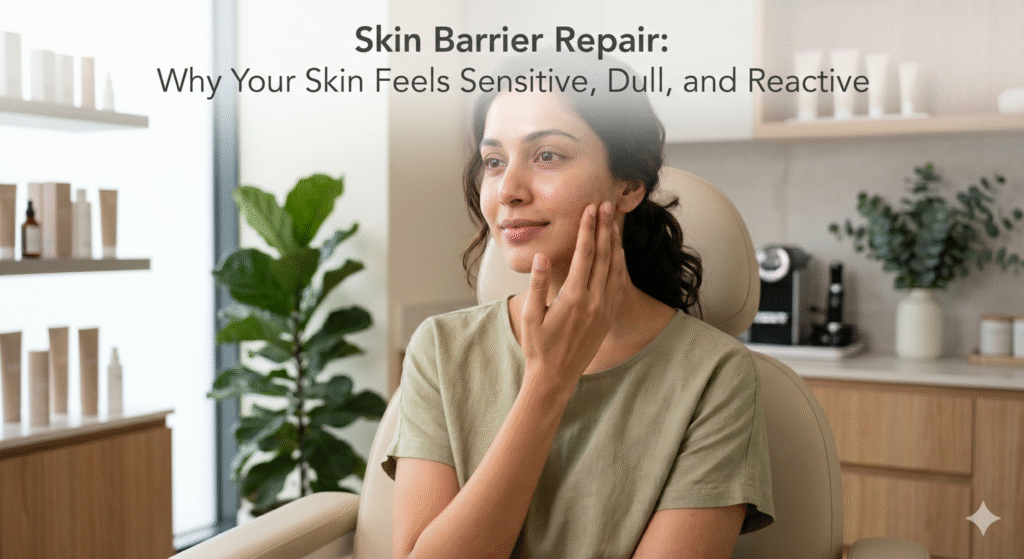
In modern skincare, people are using more products than ever before. Face washes, toners, serums, acids, retinol, vitamin C, scrubs, masks, peels, spot treatments, sunscreens, and active ingredients have become a regular part of daily routines.
But while skincare awareness has increased, so have complaints of sensitive, burning, dull, dry, and reactive skin.
Many people feel their skin has suddenly become weak. A product that once worked well may now sting. A moisturizer may feel heavy. Sunscreen may burn. Makeup may not sit properly. Small bumps, redness, dryness, and breakouts may appear again and again.
In many cases, the real issue is not just acne, dryness, or pigmentation. The deeper problem may be a damaged skin barrier.
Skin barrier repair has become one of the biggest skincare conversations because Doctors are now focusing more on protecting the skin instead of over-treating it. Recent skincare trend discussions also highlight barrier-focused routines, ceramides, niacinamide, hydration, and simplified skincare as major directions in 2026.
Let’s understand what the skin barrier is, why it gets damaged, how it affects Indian skin, and how doctor-guided care can help restore healthier, calmer, and stronger skin.
What Is the Skin Barrier?
The skin barrier is the outermost protective layer of your skin. It acts like a shield between your body and the outside world.
Its main job is to keep good things inside and harmful things outside.
A healthy skin barrier helps:
- Lock moisture inside the skin
- Protect against pollution and irritants
- Reduce water loss
- Defend against bacteria and allergens
- Maintain skin softness and smoothness
- Support natural healing
- Keep skin calm and balanced
A simple way to understand the skin barrier is to imagine a brick wall. The skin cells are like bricks, and the natural lipids between them are like cement. When the wall is strong, the skin feels smooth, calm, and hydrated. When the cement becomes weak, cracks appear. Moisture escapes, irritants enter, and the skin becomes sensitive.
This is why barrier damage can cause burning, itching, dryness, redness, breakouts, and dullness.
Why Skin Barrier Repair Is Trending in 2026
For many years, skincare trends focused on doing more. Stronger exfoliation, higher percentage actives, faster brightening, aggressive peels, and complicated routines became popular.
But now the skincare conversation is changing.
People are realizing that healthy skin does not always need more products. Sometimes, it needs fewer products and better support.
There are several reasons why barrier repair is trending.
1. Product Overload Is Damaging Skin
Many people use too many active ingredients together. For example, vitamin C in the morning, exfoliating acids at night, retinol on alternate days, scrubs once a week, and peels in between.
This can overload the skin and weaken the barrier.
A damaged barrier can make even good skincare ingredients feel irritating. The Guardian recently discussed how overuse of potent skincare products like retinoids, acids, and antioxidants may compromise the barrier and contribute to inflammatory skin conditions such as perioral dermatitis.
2. Sensitive Skin Complaints Are Increasing
More people now complain of burning, tingling, redness, dryness, and sudden breakouts. Sometimes they think they are allergic to every product, but the actual issue may be that the barrier is already inflamed.
When the barrier is damaged, the skin becomes less tolerant.
3. Pollution and Lifestyle Stress Affect Skin
Urban pollution, heat, sweat, air conditioning, poor sleep, stress, and sun exposure can all disturb the skin barrier. In Indian weather, humidity, dust, and harsh sunlight can make the problem worse.
4. Barrier Repair Supports Long-Term Skin Health
A strong barrier improves the foundation of the skin. It helps other treatments work better, reduces irritation, and supports natural healing.
This is why Doctors now focus on barrier repair before starting aggressive treatments for acne, pigmentation, anti-aging, or texture.
Signs Your Skin Barrier Is Damaged
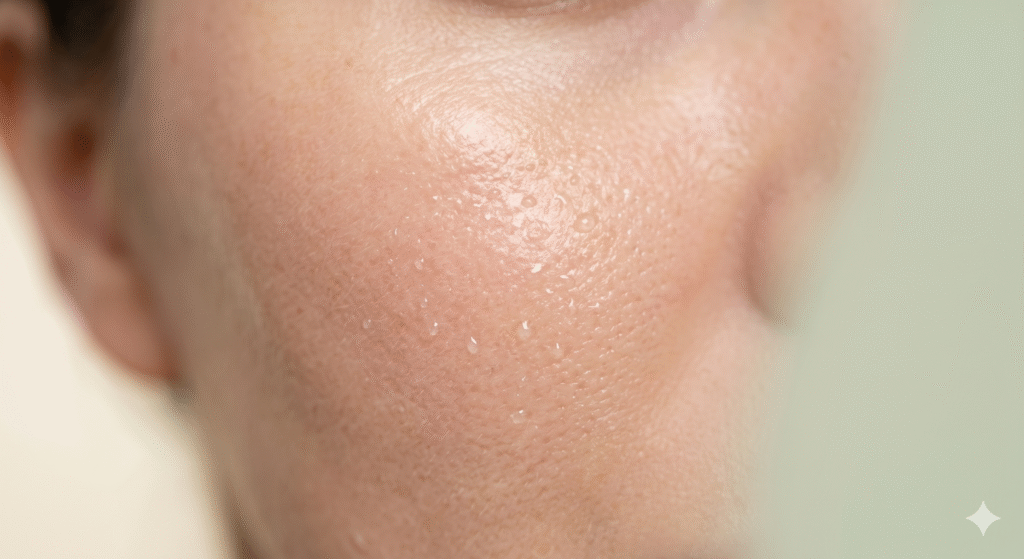
A damaged skin barrier does not look the same for everyone. Some people experience dryness, while others get acne-like bumps. Some feel burning, while others notice dullness and rough texture.
Common signs include:
- Skin feels tight after washing
- Moisturizer burns or stings
- Sunscreen causes irritation
- Sudden redness or flushing
- Dry patches or flaking
- Rough and uneven texture
- Small bumps or breakouts
- Itching or burning sensation
- Skin looks dull despite skincare
- Makeup looks patchy
- Increased sensitivity to actives
- Acne marks take longer to heal
- Skin feels oily but dehydrated
One confusing part is that barrier damage can sometimes look like acne. People may then use stronger acne products, which further irritate the skin and worsens the cycle.
This is why correct diagnosis is important.
What Causes Skin Barrier Damage?
Skin barrier damage can happen slowly over time or suddenly after a harsh product or procedure.
Here are the most common reasons.
1. Over-Exfoliation
Using too many scrubs, peels, exfoliating toners, glycolic acid, salicylic acid, or lactic acid can strip the skin barrier.
Exfoliation can be useful when done correctly, but daily or frequent use without guidance can make the skin weak and reactive.
2. Incorrect Use of Retinol
Retinol can be very helpful for acne, fine lines, pores, and texture. But if started too quickly or used too often, it can cause dryness, peeling, burning, and redness.
Retinol should be introduced slowly and supported with moisturizer and sunscreen.
3. Harsh Face Washes
Strong foaming cleansers, soap-based cleansers, and face washes that leave the skin squeaky clean can remove natural oils.
Your skin should feel clean, not tight and stripped.
4. Too Many Active Ingredients Together
Vitamin C, retinol, AHAs, BHAs, benzoyl peroxide, exfoliating masks, and brightening serums should not be randomly mixed.
Even good ingredients can cause irritation if the routine is not balanced.
5. Sun Exposure
UV rays damage the skin barrier, increase pigmentation, and slow healing. Without sunscreen, barrier repair becomes difficult.
6. Pollution and Weather Changes
Pollution, dust, heat, sweating, air conditioning, and sudden weather changes can disturb the skin barrier.
Indian skin often faces a combination of sunlight, pollution, humidity, and sweat, making barrier care even more important.
7. Wrong Skincare for Your Skin Type
Using products only because they are trending can harm the skin. Oily skin, acne-prone skin, dry skin, sensitive skin, and pigmentation-prone skin all need different planning.

Skin Barrier Damage and Indian Skin
Indian skin is naturally rich in melanin. This gives beautiful depth and protection, but it also means the skin can be more prone to post-inflammatory hyperpigmentation.
When the barrier is damaged, inflammation increases. This can lead to dark spots, acne marks, uneven tone, and pigmentation.
For Indian skin, barrier damage may show up as:
- Brown marks after acne
- Patchy pigmentation
- Dull uneven tone
- Rough skin texture
- Increased tanning
- Redness that turns into dark marks
- Acne that heals slowly
- Sensitivity after peels or actives
This is why aggressive skincare can backfire. Harsh exfoliation or strong actives may give short-term brightness but can trigger long-term pigmentation if the skin becomes inflamed.
For Indian skin, the best approach is controlled, gentle, and customized care.
Skin Barrier vs Skin Type: What Is the Difference?
Many people confuse skin type with skin barrier condition.
Your skin type is what your skin naturally tends to be. It may be oily, dry, combination, normal, or sensitive.
Your skin barrier condition can change depending on products, weather, hormones, lifestyle, and treatments.
For example:
- Oily skin can still have a damaged barrier
- Acne-prone skin can still be dehydrated
- Dry skin can become more reactive with harsh products
- Sensitive skin can worsen after over-exfoliation
- Combination skin can feel oily outside but tight inside
This is why using only “oily skin products” or “dry skin products” is not always enough. A Doctor checks both your skin type and your barrier condition before planning treatment.
How Doctors Repair a Damaged Skin Barrier
Barrier repair is not about applying one moisturizer and expecting instant results. It requires a proper plan.
A Doctor may follow this approach.
Step 1: Stop the Irritation Cycle
The first step is to identify what is irritating the skin. This may include harsh cleansers, scrubs, exfoliating acids, strong retinol, unnecessary serums, or frequent peels.
Sometimes the routine needs to be simplified for a few weeks.
Step 2: Restore Hydration
Dehydrated skin heals slowly. Ingredients like hyaluronic acid, glycerin, panthenol, and soothing moisturizers may help improve hydration.
Step 3: Rebuild Lipids
The barrier needs lipids to become strong again. Ceramides, cholesterol, fatty acids, and barrier-repair moisturizers may help support this layer.
Cleveland Clinic notes that ceramides are important in skincare because they support the skin barrier, while niacinamide can help strengthen the barrier and reduce inflammation-related irritation.
Step 4: Calm Inflammation
If the skin is red, itchy, burning, or bumpy, calming ingredients or medical treatment may be required. In some cases, conditions like eczema, rosacea, acne, or perioral dermatitis may need specific medication.
Step 5: Reintroduce Actives Slowly
Once the skin becomes calmer, ingredients like retinol, vitamin C, exfoliating acids, or acne treatments can be reintroduced carefully if needed.
The goal is not to stop actives forever. The goal is to use them correctly.

Best Ingredients for Skin Barrier Repair
A barrier repair routine should be simple, gentle, and consistent.
Helpful ingredients may include:
1. Ceramides
Ceramides are lipids that help hold skin cells together. They support the skin barrier and reduce moisture loss.
2. Hyaluronic Acid
Hyaluronic acid helps attract and hold water in the skin. It is useful for dehydrated and dull skin.
3. Niacinamide
Niacinamide supports barrier strength, improves uneven tone, helps with oil control, and may reduce inflammation.
4. Panthenol
Panthenol is soothing and hydrating. It is useful for irritated or sensitive skin.
5. Glycerin
Glycerin is a simple but powerful humectant that helps keep the skin hydrated.
6. Centella Asiatica
Centella is often used in calming skincare products. It may help soothe irritated skin.
7. Squalane
Squalane is lightweight and helps support softness without feeling too heavy.
8. Sunscreen
Sunscreen is not optional. UV exposure damages the barrier and worsens pigmentation.
What to Avoid When Your Skin Barrier Is Damaged
When the skin is already irritated, adding more active ingredients can make the problem worse.
Avoid or pause these temporarily unless your Doctor advises otherwise:
- Scrubs
- Peeling solutions
- Strong exfoliating acids
- High-strength retinol
- Multiple serums at once
- Harsh foaming cleansers
- Alcohol-heavy toners
- Fragranced products
- DIY lemon, baking soda, or toothpaste hacks
- Frequent salon facials
- Waxing or threading over irritated areas
- Over-washing the face
The skin needs time to recover. Doing less can sometimes give better results.
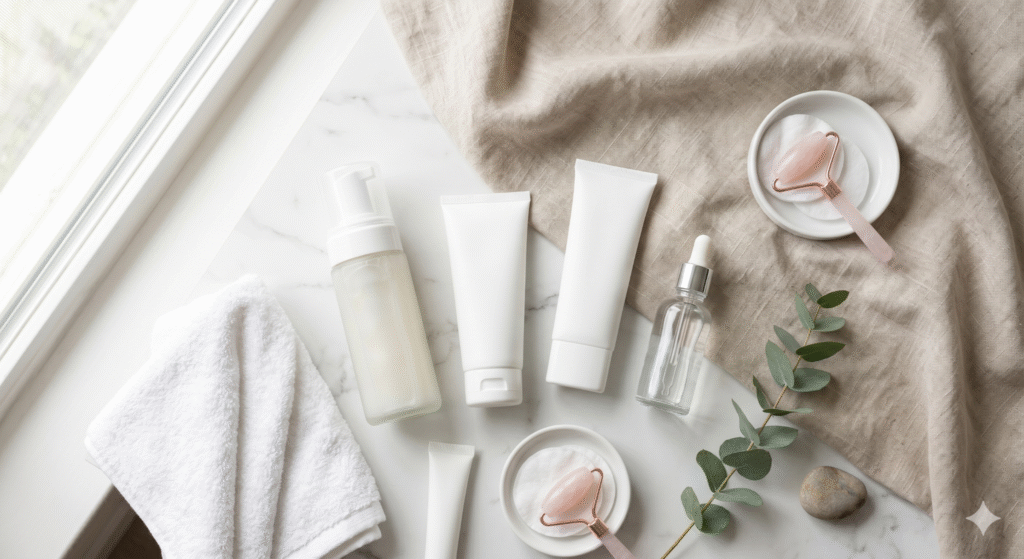
Simple Barrier Repair Skincare Routine
A barrier repair routine should not be complicated.
Morning Routine
Step 1: Gentle Cleanser
Use a mild cleanser that does not leave your skin tight or dry.
Step 2: Hydrating Serum
A simple hydrating serum with hyaluronic acid, glycerin, or panthenol may help.
Step 3: Barrier-Repair Moisturizer
Use a moisturizer with ceramides, niacinamide, or calming ingredients.
Step 4: Sunscreen
Apply broad-spectrum sunscreen every morning. Reapply if outdoors, sweating, or exposed to sunlight for long periods.
Night Routine
Step 1: Gentle Cleanser
Cleanse the skin without scrubbing.
Step 2: Moisturizer
Use a barrier-supporting moisturizer. Keep the routine simple.
Step 3: Repair Support
If advised by your Doctor, a calming serum or repair cream may be added.
During barrier repair, avoid experimenting with too many products. Consistency matters more than variety.
Professional Treatments That Support Barrier Repair
At Aestheticaa By Dr. Madhulika, sensitive and damaged skin is never treated aggressively. The first goal is to understand the skin condition and restore balance.
Depending on your skin concern, doctor-guided treatments may include:
Hydration-Based Skin Boosters
Skin boosters can help improve hydration and plumpness in selected cases. They may be useful when the skin looks dull, dehydrated, or tired.
Medical Facials
Gentle medical facials may help calm, hydrate, and support the skin without harsh exfoliation.
Chemical Peels
Chemical peels can be useful for pigmentation, acne marks, and dullness, but they must be chosen carefully. For barrier-damaged skin, peels may need to be delayed until the skin is stronger.
Microneedling Radiofrequency
Microneedling RF may help with acne scars, pores, and texture, but it should only be done when the skin barrier is stable.
Laser Treatments
Lasers can help with pigmentation, redness, scars, and rejuvenation. However, sensitive or barrier-damaged skin requires careful planning and controlled settings.
PRP, GFC, or Regenerative Treatments
Regenerative treatments may be considered when the skin needs repair support, glow, and rejuvenation. The right choice depends on your skin diagnosis.
When Should You See a Doctor?
You should consult a Doctor if:
- Your skin burns with most products
- Redness or irritation does not settle
- Acne is worsening despite skincare
- Pigmentation is increasing
- Your skin is peeling frequently
- You have itchy or painful patches
- Sunscreen or moisturizer stings
- You suspect rosacea, eczema, or dermatitis
- You are confused about which products to use
- Your skin became reactive after a treatment
Self-treating for too long can delay recovery. A Doctor can identify whether the issue is barrier damage, acne, allergy, eczema, rosacea, fungal infection, or another skin condition.
Correct diagnosis saves time, money, and skin health.
Common Myths About Skin Barrier Repair
Myth 1: Oily Skin Does Not Need Moisturizer
Oily skin can still be dehydrated. Skipping moisturizer can make the skin produce more oil and feel more irritated.
Myth 2: Burning Means the Product Is Working
Burning is not a sign of effectiveness. It may mean your skin is irritated or your barrier is weak.
Myth 3: More Products Give Better Results
A long routine is not always better. Sometimes fewer products used correctly give healthier skin.
Myth 4: Exfoliation Is Needed Daily for Glow
Daily exfoliation can damage the barrier. Glow comes from healthy skin, not constant stripping.
Myth 5: Natural Products Cannot Irritate Skin
Natural ingredients can also cause allergies, irritation, or sensitivity. Skin-safe formulation matters more than marketing claims.
Conclusion
Skin barrier repair is not just a skincare trend. It is the foundation of healthy skin.
If your skin feels sensitive, dull, dry, oily but tight, acne-prone, irritated, or reactive, your barrier may need support. Instead of adding more products or copying viral routines, the better approach is to understand what your skin is trying to tell you.
A strong skin barrier helps your skin stay calm, hydrated, smooth, and resilient. It also improves the way your skin responds to treatments for acne, pigmentation, aging, and texture.
With the clinical expertise of Dr. Madhulika Mohanty and the dedicated team at Aestheticaa By Dr. Madhulika, you can move beyond confusing skincare trends and build a safe, customized, and doctor-guided routine designed around your skin’s real needs.