

Melasma is a common pigmentation concern, especially in Indian skin. It usually appears as brown or grey-brown patches on the face and may become more noticeable with sun exposure, heat, hormonal changes or certain skincare habits.
For many people, melasma can be frustrating because it often improves for some time and then returns.
That is why melasma is best understood as a condition that may need long-term management, rather than a one-time treatment.
In this blog, we will look at what melasma is, why it can be common in Indian skin, what can trigger it, why it tends to recur and which approaches may help manage it more effectively.
What Is Melasma?
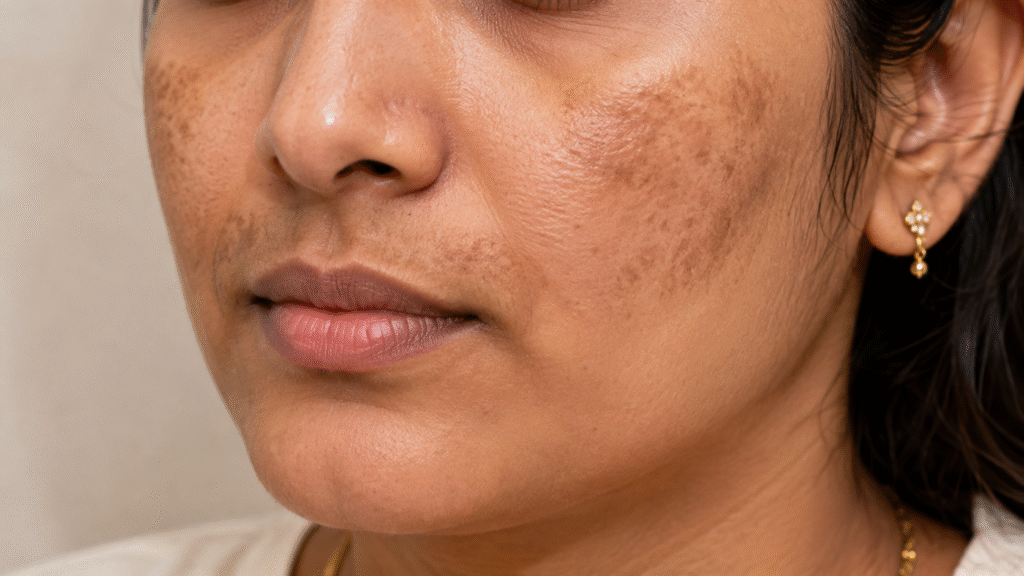
Melasma is a type of hyperpigmentation in which excess pigment develops in certain areas of the skin.
It commonly appears as flat, irregular brown or grey-brown patches, especially on:
- Cheeks
- Forehead
- Upper lip
- Nose
- Chin
The pigmentation is often symmetrical, meaning similar areas may appear on both sides of the face.
Melasma itself is not harmful, but it can be persistent and may affect how people feel about their skin.
Why Is Melasma Common in Indian Skin?
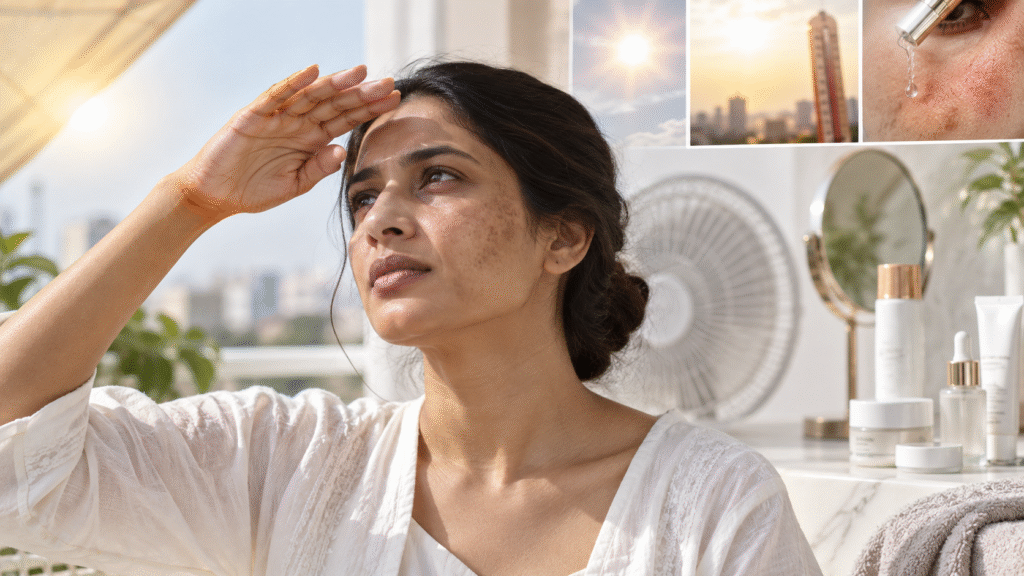
Indian skin generally contains higher levels of melanin compared with lighter skin tones.
Melanin helps protect the skin from ultraviolet radiation, but it also means that Indian skin can be more prone to pigmentation changes after irritation, inflammation or sun exposure.
Several factors may contribute to melasma.
Sun Exposure
Ultraviolet and visible light can stimulate pigment-producing cells in the skin.
Even short periods of repeated sun exposure may make melasma appear darker.
This is why sun protection is an important part of melasma management.
Hormonal Changes
Hormonal changes can also influence melasma.
It may become more noticeable during:
- Pregnancy
- Hormonal treatment
- Use of certain contraceptives
- Other periods of hormonal fluctuation
However, hormones are not the only cause.
Heat
Heat may also contribute to pigmentation in some people.
This means that melasma management is not only about avoiding direct sunlight.
Repeated exposure to high heat may also make pigmentation more noticeable.
Genetics
Some people may be more genetically prone to melasma.
If close family members have similar pigmentation concerns, the risk may be higher.
Skin Irritation
Aggressive scrubbing, unsuitable skincare products or excessive exfoliation may irritate the skin.
In Indian skin, irritation can sometimes lead to additional pigmentation.
Why Does Melasma Keep Coming Back?
One of the most important things to understand about melasma is that it can recur.
A treatment may reduce visible pigmentation, but the skin may still remain sensitive to the original triggers.
Common reasons melasma returns include:
- Ongoing sun exposure
- Inconsistent sunscreen use
- Hormonal changes
- Heat exposure
- Irritating skincare
- Stopping maintenance care too early
- Using treatments without addressing triggers
This is why a long-term plan is often more useful than repeatedly changing products or treatments.
Is Melasma the Same as General Pigmentation?
Not always.
Pigmentation is a broad term that includes several different conditions.
Dark spots may develop after acne, irritation, injury or sun exposure.
Melasma usually has a more characteristic pattern and may be influenced by several internal and external factors at the same time.
A proper skin assessment can help distinguish melasma from other pigmentation concerns.
This matters because treatment plans may differ.
What Can Help Manage Melasma?
There is no single approach that works equally well for everyone.
Treatment depends on factors such as:
- Skin type
- Depth of pigmentation
- Duration of melasma
- Triggers
- Previous treatments
- Skin sensitivity
A combination approach is often used.
1. Consistent Sun Protection
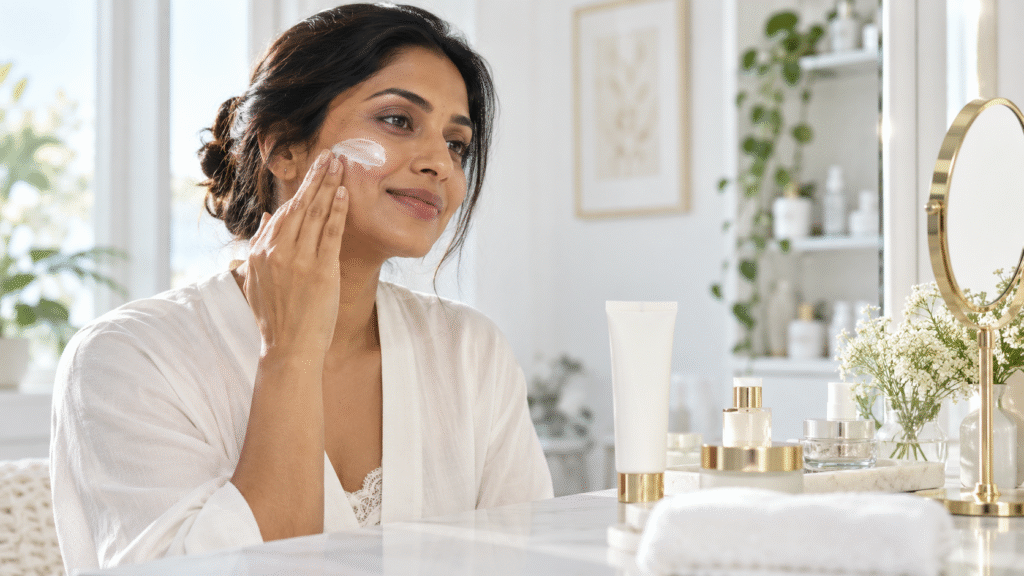
Sun protection is one of the most important parts of melasma management.
Without it, other treatments may not work as well.
Helpful habits may include:
- Using broad-spectrum sunscreen
- Applying enough sunscreen
- Reapplying when needed
- Using hats or umbrellas during strong sun exposure
- Avoiding unnecessary prolonged sun exposure
For some people with melasma, tinted sunscreens may also be recommended because visible light can influence pigmentation.
2. Gentle Skincare
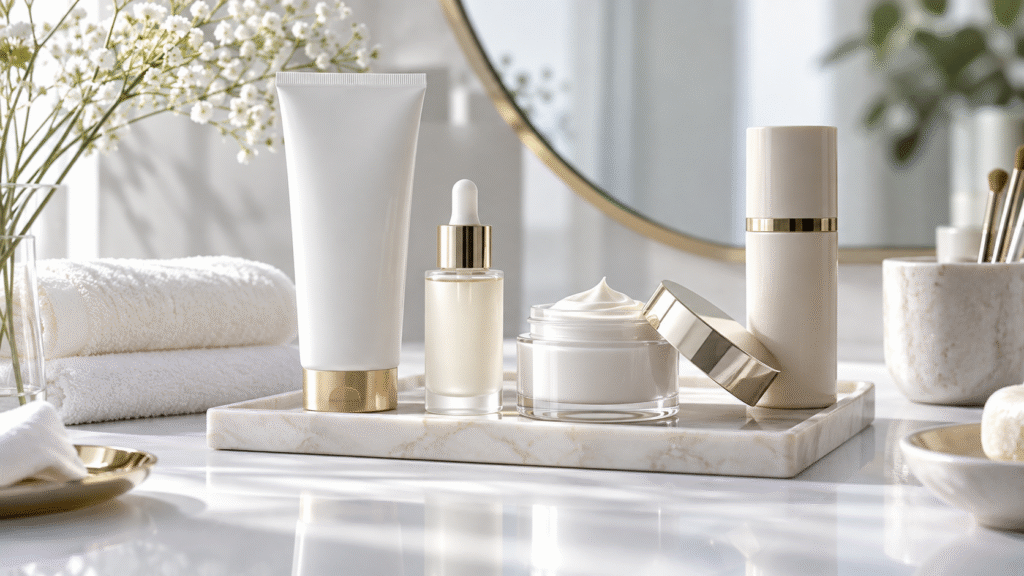
Melasma-prone skin should generally be treated gently.
Over-exfoliation or frequent use of strong actives can damage the skin barrier and may make pigmentation worse.
A simple routine may include:
- Gentle cleanser
- Moisturiser
- Sunscreen
- Doctor-recommended pigmentation treatment
The goal is to improve pigmentation without creating unnecessary irritation.
3. Prescription or Medical Skincare
Depending on the individual case, a doctor may recommend topical ingredients that help reduce excess pigmentation.
These may include ingredients such as:
- Azelaic acid
- Retinoids
- Kojic acid
- Other depigmenting agents
The exact product and strength should be selected carefully because Indian skin may develop irritation or rebound pigmentation when strong treatments are used incorrectly.
Self-medicating with multiple brightening creams is usually not a good long-term strategy.
4. Chemical Peels
Certain chemical peels may be considered for pigmentation when used appropriately.
Peels work by helping remove damaged surface skin cells and supporting more even skin renewal.
However, not every peel is suitable for every skin type.
In Indian skin, the peel strength and type need to be chosen carefully to reduce the risk of irritation or post-inflammatory pigmentation.
Chemical peels usually work best as part of a broader treatment plan rather than as a standalone solution.
5. Energy-Based Treatments
In selected cases, doctors may consider laser or other energy-based treatments.
However, melasma can be sensitive, and aggressive procedures may sometimes make pigmentation worse.
That is why these treatments need careful patient selection.
The decision should depend on:
- Skin tone
- Depth of pigmentation
- Previous response to treatment
- Sensitivity
- Risk of recurrence
The goal is not simply to use the strongest treatment available, but to choose the most appropriate one.
Why Stronger Treatment Is Not Always Better
People with melasma often want faster results.
This can lead to overuse of:
- Exfoliating acids
- Scrubs
- Brightening creams
- Home peels
- Multiple active ingredients
But excessive treatment may irritate the skin barrier.
When the skin becomes inflamed, pigmentation may become darker.
For Indian skin especially, a gradual and controlled approach is often safer than aggressive treatment.
Can Melasma Be Permanently Cured?
Melasma may improve significantly, but it has a tendency to recur.
Because of this, it is often better to think in terms of control and maintenance rather than a guaranteed permanent cure.
The aim of treatment may include:
- Reducing visible pigmentation
- Preventing new darkening
- Protecting the skin barrier
- Managing triggers
- Maintaining results
Some people may need ongoing maintenance even after the pigmentation improves.
How Long Does Melasma Treatment Take?
Results vary from person to person.
Some people may notice gradual improvement over several weeks, while others may need a longer treatment plan.
Factors that influence the timeline include:
- Severity
- Depth of pigment
- Sun exposure
- Hormonal triggers
- Skin sensitivity
- Consistency with skincare and sunscreen
Melasma usually responds better to consistent treatment than frequent changes in products or procedures.
Common Mistakes That Can Make Melasma Worse
Skipping Sunscreen
Pigmentation treatments may have limited benefit if sun protection is inconsistent.
Using Too Many Active Ingredients
Combining multiple strong products may damage the skin barrier.
Stopping Treatment Immediately After Improvement
Melasma can recur if maintenance care is stopped too early.
Trying Frequent Home Remedies
Harsh ingredients such as lemon juice or abrasive scrubs may irritate the skin and worsen pigmentation.
Choosing Procedures Without Proper Assessment
Different pigmentation conditions may look similar.
A procedure that works for one type of pigmentation may not be appropriate for melasma.
Can Lifestyle Changes Help?
Lifestyle habits alone may not remove melasma, but they can support treatment.
Helpful habits may include:
- Regular sun protection
- Avoiding unnecessary heat exposure
- Maintaining a gentle skincare routine
- Getting adequate sleep
- Managing stress
- Following a balanced diet
- Avoiding unnecessary skin irritation
The goal is to reduce triggers that may contribute to repeated pigmentation.
When Should You Seek Medical Advice?

You may consider a professional skin assessment if:
- Pigmentation is becoming darker
- Patches keep returning
- Over-the-counter products are causing irritation
- You are unsure whether it is melasma
- You are considering peels or energy-based treatments
- Pigmentation developed during or after hormonal changes
A proper assessment can help create a plan based on your skin rather than relying on trial and error.
Conclusion
Melasma is a complex pigmentation condition that can be especially persistent in Indian skin.
Sun exposure, heat, hormones, genetics and skin irritation may all play a role.
Because melasma has a tendency to recur, long-term management is often more important than chasing quick results.
A thoughtful plan may include consistent sun protection, gentle skincare, medical skincare and carefully selected in-clinic treatments when appropriate.
The most effective approach is usually one that respects the skin barrier, manages individual triggers and focuses on gradual, sustainable improvement.