In the world of skincare and aesthetic medicine, Korean beauty trends have always influenced the way people think about healthy skin. From glass skin to skin boosters, from barrier repair to regenerative facials, the focus has slowly shifted from temporary glow to long-term skin quality.
One such treatment that has become a major talking point is PDRN skin treatment, popularly known as the Salmon DNA skin booster.
The name may sound unusual at first, but the concept behind it is rooted in regenerative skincare. PDRN is being discussed for its role in skin repair, hydration, texture improvement, post-procedure healing, fine lines, and overall skin rejuvenation. It is especially popular among people who want their skin to look naturally healthy, fresh, smooth, and radiant without looking overdone.
But with every new trend, one important question must be asked:
Is PDRN skin treatment really worth it, or is it just another beauty buzzword?
Let’s understand what PDRN is, how it works, who it may benefit, what results to expect, and why doctor-guided treatment is essential.
What Is PDRN Skin Treatment?
PDRN stands for Polydeoxyribonucleotide. In simple words, it is a DNA-based regenerative compound that is commonly associated with salmon DNA-derived molecules. This is why the treatment is often called Salmon DNA therapy or Salmon DNA skin booster.
PDRN is used in aesthetic dermatology because it supports skin repair and regeneration. Instead of only working on the surface, the treatment focuses on improving the skin’s internal healing environment.
Think of your skin like a building. If the outer paint looks dull, applying more paint may help temporarily. But if the foundation is weak, the real improvement comes from repairing the deeper structure. PDRN works in a similar direction. It supports the skin’s natural repair process, helping improve hydration, texture, elasticity, and overall skin quality over time.
It is not a fairness treatment. It is not makeup. It is not a quick facial glow that disappears in two days. It is a regenerative skin treatment designed to support healthier-looking skin from within.
Why PDRN Is Trending in Skincare
PDRN has become popular because people today are looking for treatments that improve skin quality naturally. The goal is no longer only wrinkle correction or dramatic transformation. The modern aesthetic goal is healthy, hydrated, firm, even-toned, and resilient skin.
There are several reasons why PDRN is gaining attention.
1. The Korean Skin Booster Trend
Korean skincare has made the world focus on hydration, barrier repair, glow, and skin health. PDRN fits perfectly into this philosophy because it is not about changing the face. It is about improving the skin.
Instead of making the skin look artificial, the goal is to make it look healthier, fresher, and more naturally radiant.
2. Regenerative Skincare Is Growing
Regenerative aesthetics is one of the biggest directions in modern technology. Treatments like exosomes, PRP, GFC, skin boosters, microneedling RF, and PDRN all focus on improving the skin’s repair ability.
PDRN is trending because it belongs to this category of treatments that support skin healing and renewal rather than only giving surface-level improvement.
3. Natural-Looking Results
Many patients want visible improvement without looking like they have undergone a major cosmetic procedure. PDRN is attractive because the results are usually gradual and skin-quality focused.
The skin may start looking more hydrated, smoother, calmer, and fresher over time.
4. Focus on Skin Barrier and Recovery
Pollution, sun exposure, harsh skincare products, stress, acne, pigmentation, and procedures can weaken the skin barrier. PDRN is often discussed for its role in supporting skin repair and recovery, making it suitable for people who want stronger and healthier-looking skin.
How PDRN Skin Treatment Works
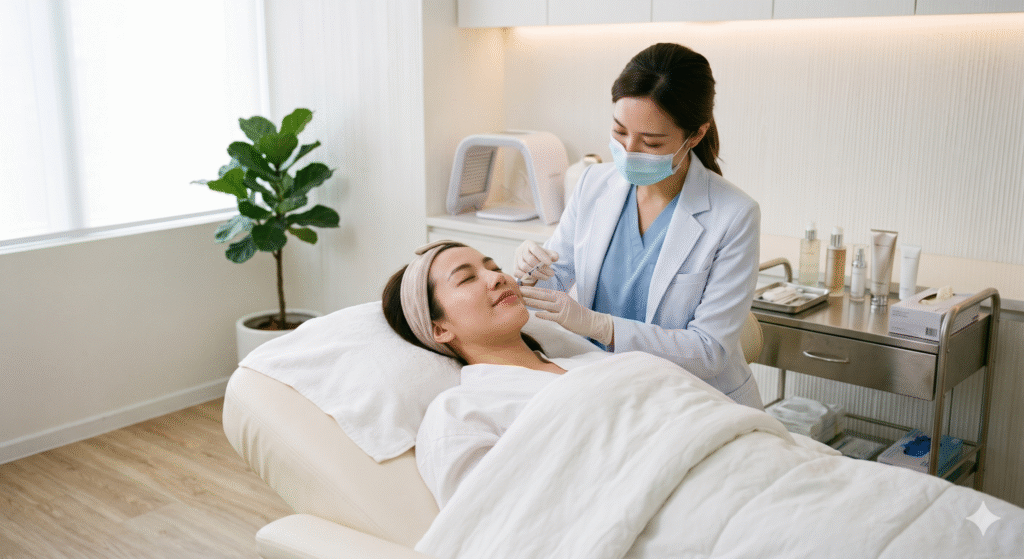
PDRN skin treatment is generally performed in a medical or aesthetic clinic under professional supervision. The exact technique may vary depending on the patient’s skin type, concern, and treatment plan.
The process usually follows this pattern:
Step 1: Skin Consultation
Before the treatment, the doctor examines your skin. This includes checking your skin type, sensitivity, acne history, pigmentation tendency, fine lines, hydration level, previous procedures, and current skincare routine.
This step is very important because every skin type does not need the same protocol. Indian skin, for example, can be more prone to pigmentation if treated aggressively.
Step 2: Skin Preparation
The skin is cleansed properly. If the treatment involves injectable delivery or micro-channeling, a numbing cream may be applied to make the procedure more comfortable.
The goal is to prepare the skin in a clean and safe way before starting the treatment.
Step 3: Delivery of PDRN
Depending on the treatment plan, PDRN may be delivered through microinjections, microneedling. The purpose is to allow the regenerative ingredient to reach the target area where it can support repair and rejuvenation.
This is why clinic-based PDRN treatment is different from simply applying a PDRN serum at home.
Step 4: Skin Repair Response
After the treatment, the skin begins its natural repair process. PDRN supports this healing environment, which may help improve hydration, texture, elasticity, and overall skin quality over time.
Step 5: Aftercare
Post-treatment care is extremely important. Gentle skincare, sunscreen, hydration, and avoiding harsh actives help protect the skin and improve results.
The outcome depends not only on the treatment but also on how carefully the skin is managed after the session.
What Skin Concerns Can PDRN Help With?
PDRN skin treatment is mainly used for skin rejuvenation and repair. It may be considered for multiple skin concerns, depending on clinical suitability.
1. Dull and Dehydrated Skin
Dullness is one of the most common skin concerns. Poor sleep, pollution, stress, sun exposure, dehydration, and aging can make the face look tired.
PDRN may help support hydration and repair, making the skin appear fresher, plumper, and more radiant over time.
2. Uneven Skin Texture
Rough skin texture, enlarged pores, and lack of smoothness can make the skin look aged or unhealthy. PDRN may support skin remodeling and improve the appearance of texture when used as part of a proper treatment plan.
It is especially useful when combined with treatments that stimulate collagen or skin renewal.
3. Fine Lines and Early Aging
As skin ages, collagen production slows down. The skin starts losing firmness, elasticity, and hydration. Fine lines may appear around the eyes, mouth, forehead, and cheeks.
PDRN does not freeze expressions like botulinum toxin and does not add volume like fillers. Instead, it focuses on skin quality. It may help the skin look smoother, healthier, and more refreshed.
4. Acne Marks
After acne heals, it can leave dark spots, red marks, uneven texture, or shallow scars. These marks are often linked with inflammation and delayed repair.
PDRN may be used as part of a broader acne-mark treatment plan to support skin healing and improve the overall appearance of the skin. However, if active acne is present, it must be controlled first.
5. Sensitive or Stressed Skin
Some people have skin that becomes easily irritated, red, dry, or reactive. Harsh products, over-exfoliation, pollution, and barrier damage can make this worse.
Because PDRN is associated with repair-focused skincare, it may be considered in selected cases where the skin needs calming and strengthening. However, sensitive skin always requires careful doctor assessment before any procedure.
6. Post-Procedure Recovery
PDRN is also discussed in combination with procedures like lasers, microneedling, radiofrequency microneedling, or chemical peels. These treatments create controlled stimulation in the skin, and PDRN may help support the recovery phase.
This can be useful for people who want better healing support after advanced skin treatments.
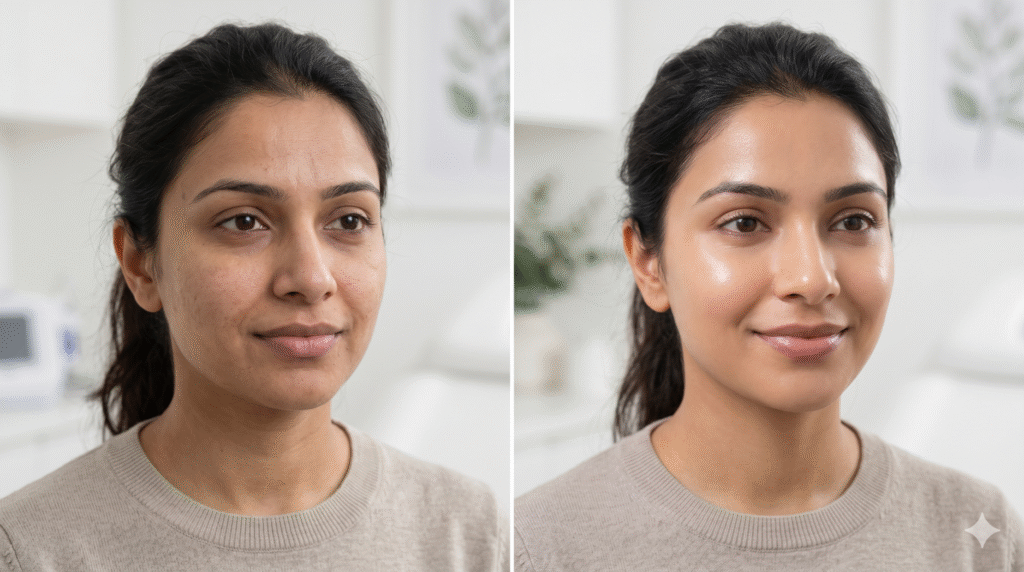
PDRN vs Regular Skin Boosters
Many people confuse PDRN with regular skin boosters. While both are used for skin rejuvenation, they are not exactly the same.
Regular skin boosters often focus mainly on hydration. They may contain ingredients like hyaluronic acid that help attract water and make the skin look plump and fresh.
PDRN, on the other hand, is more regeneration-focused. It supports skin repair, healing, and overall skin quality improvement. This makes it different from treatments that only provide hydration.
However, this does not mean one is always better than the other. In many cases, the doctor may combine hydration boosters with regenerative treatments depending on the patient’s skin needs.
For example:
- If your skin is very dry and dehydrated, hydration may be the first priority.
- If your skin is damaged, dull, or slow to heal, regenerative support may be helpful.
- If you have acne marks or uneven texture, combination treatments may give better results.
- If your concern is aging, collagen-stimulating treatments may also be added.
The right choice depends on skin diagnosis, not trend popularity.
PDRN vs Exosome Therapy
Since both PDRN and exosome therapy are trending in regenerative skincare, many patients wonder which one is better.
The answer depends on your skin concern.
Exosome therapy focuses on cellular communication and repair signaling. It is often used with procedures like microneedling or lasers to support skin rejuvenation and recovery.
PDRN focuses on tissue repair, hydration support, and skin regeneration. It is commonly discussed as a skin booster treatment for improving skin quality, texture, and glow.
Both treatments belong to the regenerative skincare category, but they are not identical. A doctor may recommend one or combine different treatments depending on your skin condition.
For best results, the question should not be “Which trend is better?”
The better question is: “What does my skin actually need?”
Who Is a Good Candidate for PDRN Skin Treatment?
You may be a suitable candidate for PDRN treatment if you have:
- Dull or tired-looking skin
- Dehydrated skin
- Uneven skin texture
- Early fine lines
- Mild skin laxity
- Acne marks
- Enlarged pores
- Skin barrier weakness
- Post-treatment recovery concerns
- Loss of glow and firmness
- Skin that looks stressed due to pollution or lifestyle
However, suitability depends on medical evaluation. Not everyone should undergo PDRN treatment immediately.
People with active skin infections, uncontrolled acne, open wounds, pregnancy-related concerns, severe allergies, very reactive skin, or certain medical conditions may need to avoid or postpone treatment.
A professional consultation is necessary before deciding the treatment.
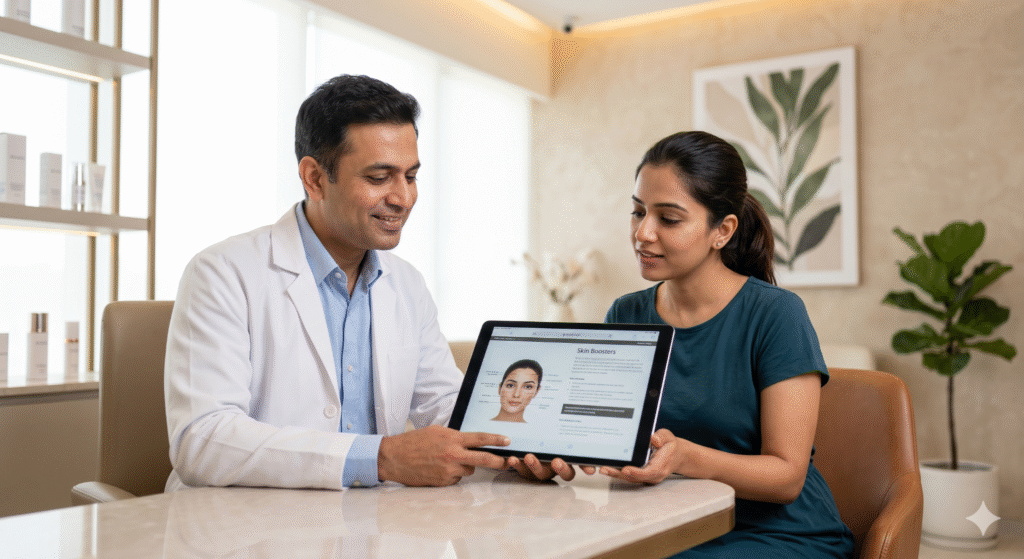
Safety: Why PDRN Should Be Done Under Expert Supervision
PDRN is trending, but it should not be treated like a casual salon facial. The quality of the product, method of delivery, skin preparation, hygiene, and aftercare all matter.
Unverified products or poorly performed procedures can lead to irritation, infection, swelling, allergy, pigmentation, or unsatisfactory results.
Professional supervision ensures:
- Correct skin diagnosis
- Safe product selection
- Sterile treatment environment
- Proper treatment depth
- Right technique
- Customized aftercare
- Reduced risk of complications
- Realistic result expectations
This is especially important for Indian skin, which may develop pigmentation if treated incorrectly.
Advanced skin treatments should always be done with a qualified doctor or trained medical professional.
What Results Can You Expect?
PDRN results are usually gradual. It is not an instant whitening treatment or a one-session miracle. The goal is to improve skin quality over time.
Depending on your skin type, concern, and number of sessions, you may notice:
- Better hydration
- Healthier-looking glow
- Smoother skin texture
- Improved skin elasticity
- Softer appearance of fine lines
- Reduced dullness
- Calmer-looking skin
- Improved post-treatment recovery
- More even-looking skin tone
- Fresh and rejuvenated appearance
Some people may notice improvement after one session, while others may need multiple sessions for visible results. Concerns like acne scars, deeper texture, aging changes, or pigmentation usually require combination treatments.
It is important to have realistic expectations. PDRN improves skin quality, but it does not replace sunscreen, skincare and a healthy lifestyle.
PDRN Treatment and Indian Skin: What You Should Know
Indian skin has higher melanin activity, which makes it more prone to post-inflammatory hyperpigmentation. This means any procedure that causes irritation or inflammation must be planned carefully.
PDRN may be a good option for selected Indian skin types because it focuses on repair and rejuvenation. However, the treatment must still be customized.
A doctor will consider:
- Skin tone
- Pigmentation history
- Acne history
- Melasma tendency
- Sensitivity level
- Barrier condition
- Sun exposure
- Current skincare products
- Previous treatments
For Indian skin, safe treatment planning is more important than aggressive treatment. The aim should be controlled rejuvenation, not harsh stimulation.
How to Care for Skin After PDRN Treatment
Post-treatment care plays a major role in results. After PDRN treatment, your skin may be slightly sensitive, so gentle care is important.
1. Use a Mild Cleanser
Avoid scrubs, exfoliating face washes, harsh foaming cleansers, or active-heavy products for a few days. Use a gentle cleanser recommended by your doctor.
2. Apply a Barrier-Repair Moisturizer
Moisturizers with ingredients like ceramides, hyaluronic acid, glycerin, and soothing agents can support skin recovery.
Hydrated skin heals better and looks healthier.
3. Avoid Strong Actives Temporarily
Do not use retinol, exfoliating acids, benzoyl peroxide, strong vitamin C, or peeling solutions immediately after treatment unless your doctor allows it.
4. Use Sunscreen Strictly
Sunscreen is non-negotiable. After any skin procedure, the skin may be more sensitive to UV exposure. Skipping sunscreen can increase the risk of pigmentation and reduce the quality of results.
5. Avoid Heat and Sweating
Avoid sauna, steam, intense workouts, swimming, or excessive heat exposure for the period advised by your doctor.
6. Do Not Pick or Rub the Skin
If there is mild redness, dryness, or sensitivity, let the skin settle naturally. Do not rub, scratch, or over-cleanse.
Professional Treatments That Pair Well With PDRN
At Aestheticaa By Dr. Madhulika, skin rejuvenation is never treated as a one-size-fits-all solution. The right plan depends on what your skin actually needs.
PDRN may be combined with different treatments for better results.
Microneedling Radiofrequency
Microneedling RF helps stimulate collagen and improve texture, pores, acne scars, and firmness. PDRN may support recovery and enhance skin-quality improvement when used in a suitable protocol.
Chemical Peels
Chemical peels can help with dullness, pigmentation, acne marks, and uneven tone. In selected cases, PDRN may be used as part of a repair-focused plan after controlled exfoliation.
Laser Treatments
Lasers may be recommended for pigmentation, scars, pores, or rejuvenation. PDRN may support post-laser recovery depending on the skin type and treatment intensity.
Skin Boosters
Hydration-based skin boosters may be combined with PDRN when the skin needs both moisture and repair support.
PRP or GFC Therapy
Platelet-based treatments like PRP or GFC also focus on regeneration. Depending on the concern, the doctor may choose one regenerative approach or combine different methods safely.
PDRN at Home vs Clinic-Based PDRN
PDRN is now being used in some topical skincare products like serums, creams, and masks. These may help support hydration and barrier care depending on formulation quality.
However, at-home PDRN skincare is not the same as clinic-based PDRN treatment.
Topical products mainly work on the surface of the skin. Their effect depends on formulation, stability, penetration, and regular use. Clinic-based treatments are designed to deliver active ingredients more effectively under professional guidance.
This does not mean home skincare is not useful. In fact, it is essential for maintaining results. But for deeper concerns like texture, dullness, acne marks, fine lines, or poor skin quality, professional treatment may be more targeted.
The best approach is often a combination of in-clinic treatment and recommended home care.
Common Myths About PDRN Skin Treatment
Myth 1: PDRN Gives Instant Glass Skin
PDRN can improve skin glow and quality, but results are gradual. It is not an instant filter or makeup effect.
Myth 2: PDRN Is Only for Aging Skin
PDRN may be useful for aging concerns, but it can also be considered for dullness, dehydration, acne marks, texture, and post-procedure recovery.
Myth 3: Everyone Can Get PDRN
Not everyone is an ideal candidate. Active infections, uncontrolled acne, allergies, pregnancy-related concerns, or certain medical conditions may require caution.
Myth 4: PDRN Replaces Skincare
No treatment can replace sunscreen, gentle cleansing, moisturization, and consistent skincare. PDRN works best when supported by a proper routine.
Myth 5: All PDRN Products Are the Same
Product quality, source, storage, and treatment technique matter. Always choose a trusted clinic and qualified professional.
Conclusion
PDRN skin treatment is one of the most talked-about regenerative skincare trends because it focuses on what modern patients truly want: healthier, smoother, hydrated, glowing, and naturally rejuvenated skin.
It is not about changing your face. It is about improving your skin quality.
For people dealing with dullness, dehydration, uneven texture, early aging, acne marks, or slow skin recovery, PDRN may be a promising option when used correctly. But like every advanced aesthetic treatment, it should not be chosen only because it is trending. It should be chosen after proper skin assessment and medical guidance.
With the clinical expertise of Dr. Madhulika Mohanty and the dedicated team at Aestheticaa By Dr. Madhulika, you can move beyond confusing skincare trends and choose a safe, customized, and science-backed treatment plan designed around your skin’s real needs.