
In the fast-moving world of medical skincare and aesthetic medicine, skincare trends come and go with dramatic promises. One month the internet is obsessed with a new serum, the next month a celebrity facial becomes the ultimate beauty secret. But every once in a while, a treatment gains attention not just because it sounds fashionable, but because it connects with a deeper shift in modern skincare: repairing the skin from within.
Exosome skin therapy is one such trend.
Across advanced aesthetic clinics, regenerative skincare has become one of the most talked-about directions in modern skincare. Instead of only exfoliating the surface or temporarily hydrating the skin, regenerative treatments focus on improving communication between skin cells, supporting repair, calming inflammation, and encouraging healthier-looking skin quality over time.
For anyone struggling with dull skin, uneven texture, acne marks, early aging, pigmentation, enlarged pores, or slow post-treatment healing, exosome therapy may sound almost too good to be true. So, is it just another beauty buzzword, or does it genuinely have a place in modern skin rejuvenation?
Let’s understand what exosomes are, how they work, where they fit in medical skincare, and why professional guidance is absolutely essential before choosing any regenerative skin treatment.
What Are Exosomes?
Before understanding the treatment, we must first understand the biology behind it.
Exosomes are tiny extracellular vesicles released by cells. In simple terms, they act like microscopic messengers. Their job is to carry important biological signals from one cell to another. These signals may include proteins, lipids, growth factors, and other cellular instructions that help cells communicate more effectively.
Think of your skin as a busy city. Every cell has a role to play, but for the city to function properly, communication must be clear. When skin cells are stressed by pollution, UV rays, aging, inflammation, acne, harsh products, or procedures, this communication can become weak or disrupted.
Exosomes help support this communication network, encouraging the skin to behave in a more balanced and repair-focused way.
This is why exosomes are being explored in regenerative aesthetics. They do not work like makeup. They do not simply cover dullness. They are designed to support the skin’s own repair environment.
Why Exosome Therapy Is Trending in Skincare
Modern skincare has changed dramatically. People no longer want treatments that make the face look artificial, overdone, or aggressively altered. The new goal is healthier skin quality: smoother texture, improved glow, stronger barrier, reduced inflammation, and natural-looking rejuvenation.
Exosome therapy fits perfectly into this shift because it focuses on regeneration rather than forced correction.
The biggest reasons behind its popularity include:
1. The Rise of Skin Longevity
The conversation around anti-aging has moved beyond simply reducing wrinkles. Today, people want their skin to stay healthy, strong, resilient, and radiant for longer. This is known as skin longevity.
Exosome-based therapies are becoming popular because they support the idea of long-term skin health. Instead of chasing a quick glow that disappears in a few days, the goal is to improve the skin environment so it can repair and renew itself more efficiently.
2. Demand for Natural-Looking Results
Many patients want visible improvement without looking like they have “had something done.” Exosome therapy is attractive because the results are usually gradual and skin-quality focused.
The skin may begin to look fresher, calmer, smoother, and more luminous over time.
3. Better Recovery After Procedures
Exosomes are often discussed in combination with treatments like microneedling, laser, or resurfacing procedures. These treatments create controlled micro-injury to stimulate repair.
Exosomes may help support the healing phase by calming inflammation and encouraging tissue recovery. This makes them especially interesting for patients who want stronger results but also want smoother recovery.
4. Focus on Inflammation Control
Inflammation is one of the hidden enemies of healthy skin. It plays a major role in acne, pigmentation, sensitivity, redness, premature aging, and barrier damage.
Since exosomes are associated with cell-signaling and repair pathways, they are being explored for their role in creating a calmer skin environment.
How Exosome Skin Therapy Works
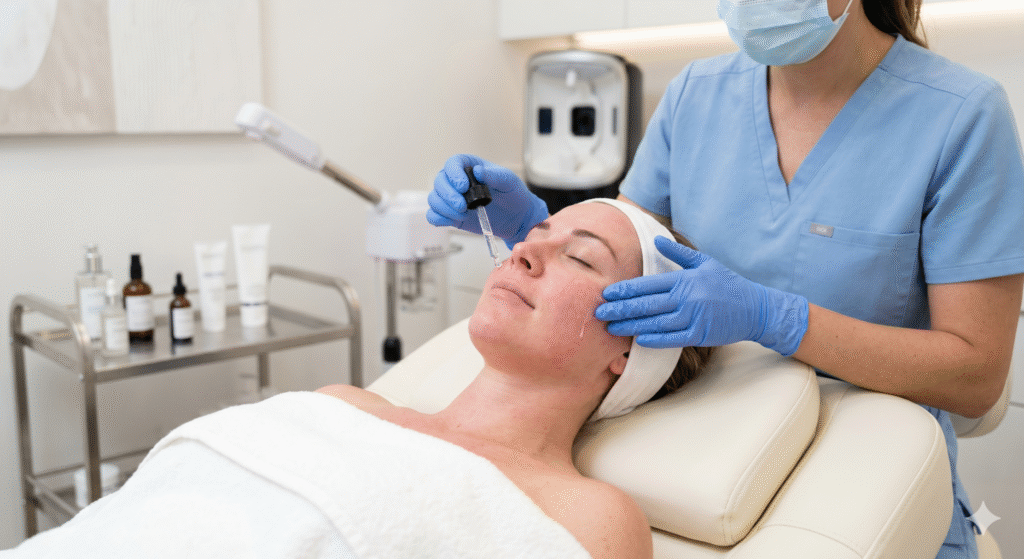
Exosome therapy is not usually performed like a basic facial. It is typically combined with a professional procedure that helps deliver active regenerative signals into the skin more effectively.
The process often follows this pattern:
Step 1: Skin Assessment
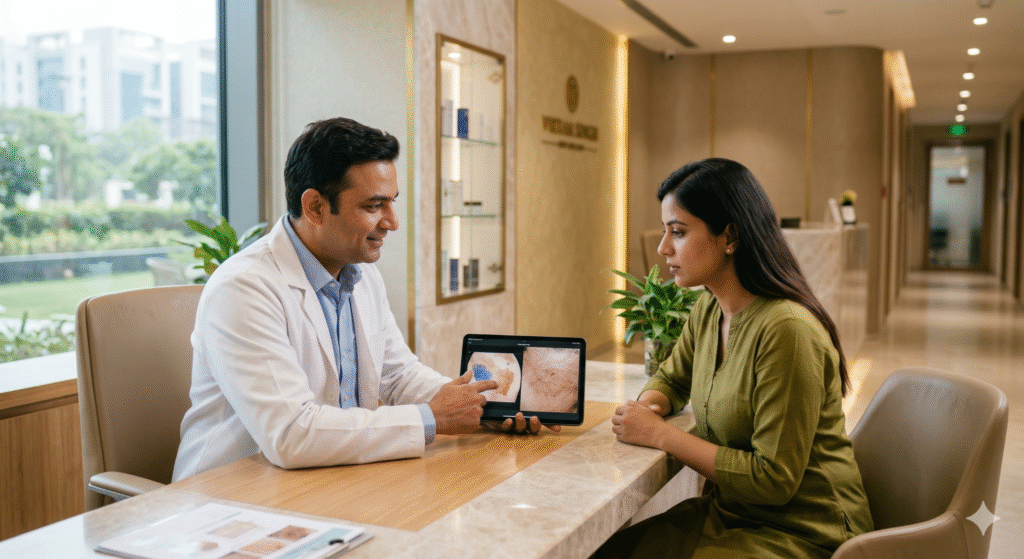
A doctor or trained aesthetic expert first examines your skin type, concerns, sensitivity level, pigmentation history, acne activity, and previous treatments. This step is important because not every skin concern needs the same protocol.
For example, acne-prone skin, melasma-prone skin, and aging skin may all require different planning.
Step 2: Skin Preparation
The skin is gently cleansed and prepared. Depending on the chosen procedure, a numbing cream may be applied to make the treatment more comfortable.
Step 3: Controlled Skin Stimulation
Exosomes are commonly used after procedures like microneedling, radiofrequency microneedling, laser resurfacing, or other collagen-stimulating treatments. These procedures create tiny channels or controlled stimulation in the skin.
This is important because healthy regeneration often begins with a carefully controlled healing response.
Step 4: Application of Exosome Solution
Once the skin is prepared, the exosome solution is applied so that it can interact with the treated area. The aim is to support repair, calm visible stress, and enhance the skin’s rejuvenation process.
Step 5: Post-Treatment Care
After the session, strict aftercare is required. Sunscreen, gentle cleansing, barrier-repair moisturizers, and avoidance of harsh actives become extremely important.
The final result depends not only on the treatment but also on how well the skin is protected afterward.
What Skin Concerns Can Exosome Therapy Help With?
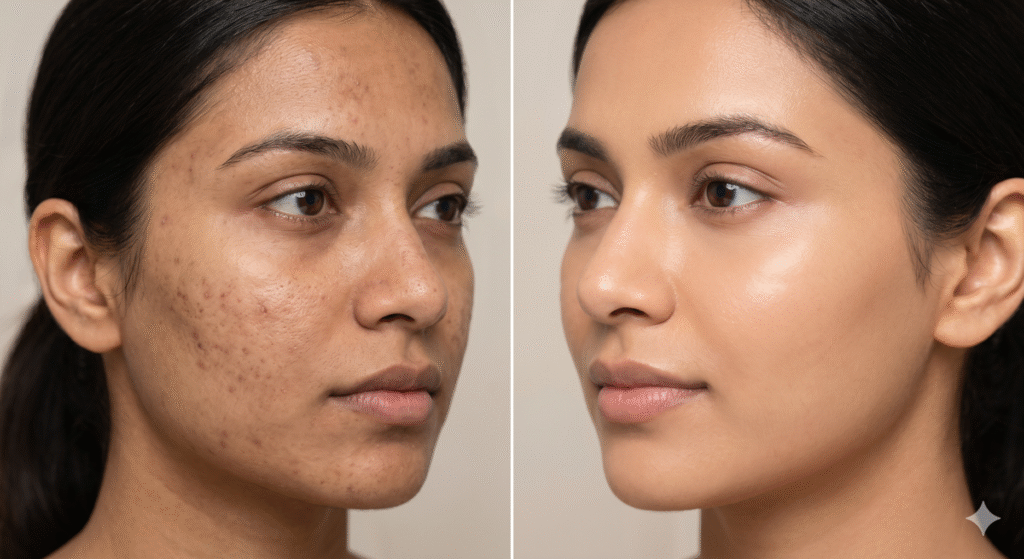
Exosome skin therapy is mainly discussed for overall skin quality improvement. It may be considered for several concerns, depending on skin type and clinical suitability.
1. Dull and Tired-Looking Skin
Urban pollution, stress, poor sleep, UV exposure, and dehydration can make the face look lifeless. Exosome therapy supports cellular repair pathways, which may help the skin gradually appear fresher and more radiant.
2. Uneven Skin Texture
Rough texture, enlarged pores, and uneven surface quality are common concerns, especially in people with previous acne or sun damage.
When paired with procedures like microneedling or resurfacing treatments, exosome therapy may support smoother-looking skin over time.
3. Acne Marks and Post-Inflammatory Pigmentation
After acne heals, it often leaves behind red, brown, or dark marks. These marks are not just cosmetic; they are signs of inflammation and pigment response.
Since exosome therapy is linked with skin repair and calming inflammation, it may be used as part of a broader acne-mark treatment plan.
However, active acne must be evaluated first. If painful cystic acne is still ongoing, the doctor may first focus on controlling breakouts before starting rejuvenation procedures.
4. Fine Lines and Early Aging
Aging skin gradually loses collagen, elasticity, hydration, and repair capacity. Exosome therapy may support collagen-focused treatments by improving the skin’s regenerative environment.
The goal is not to freeze expressions or dramatically change facial structure, but to improve skin firmness, bounce, and glow.
5. Post-Procedure Recovery
This is one of the most exciting uses of exosome therapy. After microneedling, laser, or other resurfacing procedures, the skin enters a healing phase.
Exosomes may help support recovery, reduce visible irritation, and improve the overall treatment experience.
Exosome Therapy vs Regular Serums
A common question is: “Can I just use an exosome serum at home?”
The answer is not that simple.
Many topical skincare products now use words like “exosome-inspired,” “growth factor,” or “regenerative serum.” Some may be useful as supportive skincare, but clinic-based exosome therapy is different from applying a regular serum at home.
Regular serums mainly work on the surface or upper layers of the skin. Their effect depends on formulation quality, penetration ability, ingredient stability, and consistency of use.
Professional exosome therapy, on the other hand, is often paired with procedures that enhance delivery and stimulate deeper repair responses.
This does not mean at-home skincare is useless. In fact, it is essential. But for deeper texture, scars, dullness, or aging concerns, professional treatment may offer a more targeted approach.
Who Is a Good Candidate for Exosome Skin Therapy?
You may be a suitable candidate if you have:
- Dull or tired-looking skin
- Uneven texture
- Early signs of aging
- Enlarged pores
- Acne marks
- Mild pigmentation
- Slow skin recovery after procedures
- Loss of glow and firmness
- Skin that looks stressed due to pollution, lifestyle, or sun exposure
However, suitability depends on proper consultation. People with active infections, uncontrolled acne, open wounds, severe skin sensitivity, pregnancy-related concerns, or certain medical conditions may need to postpone or avoid the treatment.
This is why choosing a qualified medical clinic matters.
Safety: Why Medical Supervision Is Non-Negotiable
Exosome therapy is trending, and wherever there is a trend, there is also misinformation. Many salons, spas, and online sellers may promote regenerative treatments without proper medical standards. This can be risky.
The quality, source, storage, handling, and application of exosome-based products are extremely important. Poor-quality or unverified products can cause irritation, infection, allergic reactions, or simply no results at all.
Professional supervision ensures:
- Correct skin diagnosis
- Safe treatment planning
- Sterile procedure environment
- Proper product selection
- Right combination with other treatments
- Controlled aftercare
- Reduced risk of complications
Exosome therapy should never be treated like a casual beauty add-on. It belongs in a medically guided skin rejuvenation plan.
What Results Can You Expect?
Results from exosome therapy are usually gradual. It is not an overnight whitening treatment or a one-day transformation. Most patients may notice that the skin begins to look calmer, fresher, smoother, and more hydrated over time.
Depending on your skin condition and the procedure combined with it, you may notice:
- Improved glow
- Better skin texture
- Reduced dullness
- Softer appearance of fine lines
- Healthier-looking skin barrier
- More even tone
- Faster post-procedure recovery
- Improved skin smoothness
For concerns like acne scars, deeper pigmentation, or aging changes, multiple sessions may be required. Results also depend heavily on sunscreen use, skincare routine, lifestyle, and consistency.
Exosome Therapy and Indian Skin: What You Should Know
Indian skin is beautiful, diverse, and naturally rich in melanin. But this also means it can be more prone to post-inflammatory hyperpigmentation when irritated or treated aggressively.
This is why any advanced treatment must be carefully customized. Overly harsh procedures can trigger pigmentation instead of improving it.
A good doctor will always consider your skin tone, sensitivity, acne history, melasma tendency, and sun exposure before choosing intensity.
For Indian skin, the ideal approach is not aggressive resurfacing. It is controlled stimulation, barrier support, pigment-safe protocols, and strict sun protection.
This makes professional planning even more important.
How to Care for Skin After Exosome Therapy
Post-treatment care decides how well your skin heals. After exosome therapy or any regenerative procedure, your skin should be treated gently.
1. Use a Gentle Cleanser
Avoid harsh foaming cleansers, scrubs, exfoliating face washes, or active-heavy products for a few days. Your skin needs calm, not aggression.
2. Focus on Barrier Repair
Use a soothing moisturizer with ingredients like ceramides, hyaluronic acid, glycerin, or calming agents. Hydrated skin heals better and looks healthier.
3. Avoid Strong Actives Temporarily
Retinol, exfoliating acids, benzoyl peroxide, strong vitamin C, and peeling solutions should be avoided until your doctor allows them again.
4. Apply Sunscreen Religiously
This is the most important step. After any skin procedure, your skin can be more sensitive to UV rays. Skipping sunscreen can lead to pigmentation, redness, and poor results.
5. Do Not Pick or Scratch
If mild dryness or flaking appears, do not peel it manually. Let the skin heal naturally.

Professional Treatments That Pair Well With Exosome Therapy
At Aestheticaa By Dr. Madhulika, skin rejuvenation is never approached as a one-size-fits-all solution. The treatment plan depends on what your skin truly needs.
Exosome therapy may be paired with:
Microneedling Radiofrequency
This treatment helps stimulate collagen and improve texture, pores, scars, and firmness. When combined with regenerative support, the skin may recover better and appear smoother over time.
Chemical Peels
For dullness, pigmentation, acne marks, and uneven tone, controlled peels can help remove damaged surface layers. Exosome support may be considered depending on skin condition and treatment goals.
Hydration-Based Skin Boosters
Hyaluronic acid-based treatments can deeply hydrate and plump the skin. When skin lacks bounce and moisture, hydration support can beautifully complement regenerative care.
PRP or GFC-Based Treatments
For selected patients, platelet-based therapies may be used for skin or hair rejuvenation. These treatments also focus on repair, growth factors, and natural regeneration.
Conclusion
Exosome skin therapy represents a powerful shift in modern medical skincare. It reflects the future of skincare: smarter, gentler, more regenerative, and more focused on long-term skin quality rather than temporary surface-level improvement.
But like every advanced aesthetic treatment, it must be approached with care. The real power of exosome therapy lies not in blindly following a trend, but in using it correctly, safely, and strategically under expert supervision.
If your skin feels dull, tired, uneven, inflamed, or slow to recover, regenerative skincare may be worth exploring. A professional consultation can help determine whether exosome therapy, microneedling, peels, hydration boosters, or another customized plan is right for you.
With the clinical expertise of Dr. Madhulika Mohanty and the dedicated team at Aestheticaa By Dr. Madhulika, you can move beyond confusing beauty trends and choose a treatment plan designed around your skin’s real biology, safety, and long-term glow.