

A few years ago, anti-aging skincare was mostly discussed after visible wrinkles, sagging, and fine lines had already appeared. People would wait for signs of aging and then look for treatments to reverse them.
But modern skin care is changing.
Today, the focus is moving from correction to prevention. Instead of waiting for the skin to lose firmness, many people are now choosing treatments that help maintain collagen, improve skin quality, and support long-term skin health. This approach is called collagen banking.
Collagen banking is one of the most talked-about concepts in aesthetic care because it fits perfectly with the current trend of natural-looking, long-term rejuvenation. Recent 2026 beauty trend discussions highlight skin longevity, regenerative care, peptides, NAD+, PDRN, exosomes, and collagen-supporting treatments as major directions in modern skincare.
But what exactly is collagen banking? Is it only for people in their 30s and 40s? Can younger people benefit from it? And what treatments actually help preserve collagen?
Let’s understand collagen banking in simple terms and why it may become an important part of future skin care.
What Is Collagen?
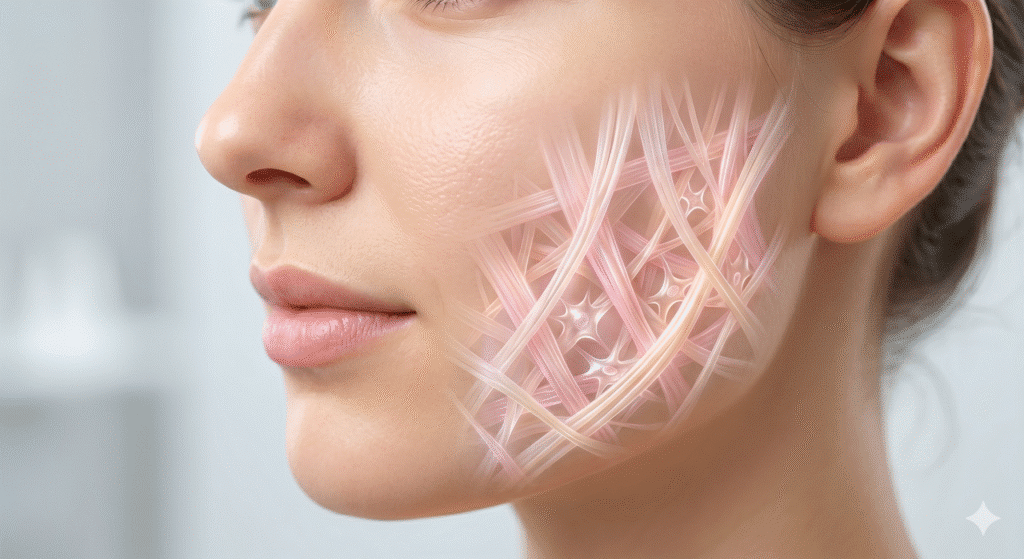
Collagen is one of the most important proteins in the skin. It gives the skin strength, firmness, bounce, and structure.
When collagen levels are healthy, the skin looks:
- Firm
- Smooth
- Plump
- Elastic
- Fresh
- Youthful
- Better supported
Think of collagen like the support system under your skin. It works like a mattress spring. When the springs are strong, the surface looks smooth and firm. When the springs become weak, the surface starts to sag, fold, and lose shape.
As we age, collagen production naturally slows down. Sun exposure, pollution, stress, poor sleep, smoking, harsh skincare, and inflammation can make collagen loss happen faster.
This is why collagen support is so important for long-term skin health.
What Is Collagen Banking?
Collagen banking means building and preserving your skin’s collagen before major signs of aging appear.
It is similar to saving money in a bank. You do not wait until you have a financial emergency to start saving. You save early so that you have support in the future.
In the same way, collagen banking means taking care of your skin early so that it has better strength, firmness, and repair capacity as you age.
The goal is not to look artificial or change your face. The goal is to maintain natural skin quality.
Collagen banking focuses on:
- Preventing early collagen loss
- Supporting natural collagen production
- Improving skin firmness
- Maintaining elasticity
- Reducing early fine lines
- Improving texture and glow
- Supporting long-term skin resilience
This makes it different from traditional anti-aging, which usually starts after visible aging signs appear.
Why Collagen Banking Is Trending in 2026
Collagen banking is becoming popular because people now want subtle and natural-looking results. They do not want to look overdone. They want to look fresh, healthy, and well-rested.
There are several reasons behind this trend.
1. Skin Longevity Is Replacing Anti-Aging
The word “anti-aging” is slowly changing. People no longer want to fight aging aggressively. Instead, they want their skin to age better.
This is where skin longevity comes in. Skin longevity means keeping the skin healthy, strong, hydrated, and resilient for as long as possible.
Collagen banking supports this idea because it focuses on maintaining the skin’s foundation.
2. People Want Preventive Care
Many patients now understand that prevention is easier than correction. It is easier to maintain collagen than to rebuild severe collagen loss later.
Starting early can help reduce the speed of visible aging.
3. Natural Results Are Preferred
The modern aesthetic trend is not about frozen faces or dramatic changes. It is about natural enhancement.
Collagen banking treatments usually work gradually, so the skin looks better over time without sudden artificial change.
4. Regenerative Treatments Are Growing
Regenerative skin treatments such as PRP, GFC, exosomes, PDRN, skin boosters, and collagen-stimulating procedures are becoming more popular because they support the skin’s repair and renewal process. Beauty and aesthetic trend reports for 2026 continue to highlight regenerative treatments and collagen-focused care as major growth areas.
When Should You Start Collagen Banking?
A common question is: “At what age should collagen banking start?”
There is no single age for everyone. It depends on your skin type, lifestyle, sun exposure, genetics, stress, skincare habits, and existing skin concerns.
However, many people start thinking about collagen support in their late 20s or early 30s. This is the phase when early collagen slowdown may begin, even if visible aging signs are mild.
You may consider collagen banking if you notice:
- Early fine lines
- Dull skin
- Loss of glow
- Slight skin laxity
- Enlarged pores
- Uneven texture
- Tired-looking face
- Slow skin recovery
- Acne marks taking longer to fade
- Skin not feeling as firm as before
Collagen banking does not mean you need aggressive treatment. In fact, early care is usually more subtle and preventive.
The right plan should always be based on your skin’s actual condition.
Who Can Benefit From Collagen Banking?
Collagen banking can be helpful for different age groups, but the goal may be different for each person.
1. People in Their 20s
In the 20s, the focus is usually prevention, sun protection, barrier repair, acne control, and early texture improvement.
This stage does not usually need heavy treatments. Simple collagen-supporting skincare, sunscreen, healthy lifestyle, and mild professional treatments may be enough.
2. People in Their 30s
In the 30s, fine lines, dullness, pigmentation, early laxity, and texture changes may become more visible.
This is often a good time to start structured collagen banking with doctor-guided treatments.
3. People in Their 40s
In the 40s, collagen loss may become more noticeable. The skin may feel less firm, less elastic, and less plump.
At this stage, collagen banking may include stronger collagen-stimulating treatments, skin boosters, regenerative procedures, and customized anti-aging care.
4. People With Early Aging Due to Lifestyle
Some people show early aging because of stress, poor sleep, pollution, weight changes, smoking, sun exposure, or harsh skincare.
For them, collagen banking may be helpful even before age-related aging becomes obvious.
What Causes Collagen Loss?
Collagen loss is a natural process, but some factors can speed it up.
1. Sun Exposure
UV rays are one of the biggest causes of collagen breakdown. Repeated sun exposure damages skin structure and increases wrinkles, pigmentation, and rough texture.
This is why sunscreen is the most important anti-aging product.
2. Pollution
Pollution creates oxidative stress in the skin. This can damage collagen and make the skin look dull, tired, and uneven.
3. Poor Sleep
Skin repairs itself during sleep. Poor sleep can affect recovery, hydration, and skin renewal.
4. Stress
Chronic stress affects hormones and inflammation levels. This can make the skin look tired and slow down repair.
5. Smoking and Alcohol
Smoking reduces oxygen supply and damages collagen. Alcohol can dehydrate the skin and affect overall skin quality.
6. Crash Dieting or Sudden Weight Loss
Sudden weight loss can reduce facial volume and make skin laxity more visible.
7. Harsh Skincare
Over-exfoliation, strong actives, scrubs, and frequent peels without guidance can irritate the skin and damage the barrier, indirectly affecting skin health.
Signs Your Skin Needs Collagen Support
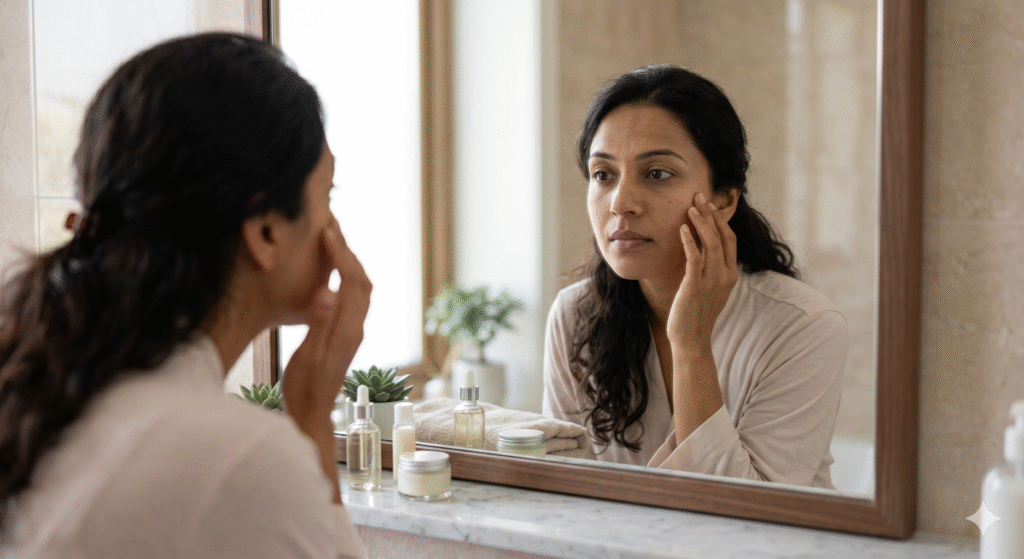
Collagen loss can be gradual. You may not notice it suddenly, but small changes appear over time.
Common signs include:
- Skin looks dull despite skincare
- Fine lines are becoming visible
- Skin feels less firm
- Makeup settles into lines
- Pores look larger
- Skin texture feels rough
- Cheeks look less plump
- Under-eye area looks tired
- Acne scars look more noticeable
- Skin takes longer to recover
- Face looks tired even after rest
These signs do not always mean you need advanced treatment immediately. Sometimes a better routine, sunscreen, hydration, and barrier repair may be the first step.
But if these changes are becoming more visible, doctor-guided collagen support can help.
Collagen Banking vs Anti-Aging Treatment
Many people confuse collagen banking with anti-aging treatment. They are connected, but not exactly the same.
Anti-aging treatment usually starts when signs of aging are already visible. The focus is correction.
Collagen banking starts earlier. The focus is prevention, maintenance, and slow improvement.
For example:
- Anti-aging treatment may target visible wrinkles.
- Collagen banking may focus on preventing wrinkles from becoming deeper.
- Anti-aging treatment may address sagging after it appears.
- Collagen banking may support firmness before significant sagging begins.
- Anti-aging treatment may involve stronger correction.
- Collagen banking may involve gradual, subtle maintenance.
Both approaches can be useful. The right choice depends on your skin condition and goals.
Professional Treatments That Support Collagen Banking
At Aestheticaa By Dr. Madhulika, skin rejuvenation is never planned as a one-size-fits-all approach. The right treatment depends on skin type, age, concerns, sensitivity, pigmentation tendency, and lifestyle.
Collagen banking may include different treatment options.
Microneedling Radiofrequency
Microneedling RF is one of the popular treatments for collagen stimulation. It creates controlled micro-injury in the skin and uses radiofrequency energy to support skin tightening and texture improvement.
It may help with:
- Acne scars
- Enlarged pores
- Uneven texture
- Early laxity
- Skin firmness
- Fine lines
Skin Boosters
Skin boosters help improve hydration, glow, and skin quality. They are useful when the skin looks dull, dehydrated, or tired.
Hydrated skin often appears smoother and more youthful.
PRP and GFC Therapy
PRP and GFC use growth-factor-rich components from your own blood to support repair and rejuvenation. These treatments may be considered for skin glow, healing, and collagen support.
Chemical Peels
Chemical peels can improve dullness, pigmentation, acne marks, and uneven texture. When used correctly, peels can support skin renewal and improve surface quality.
Laser Treatments
Laser treatments may help with pigmentation, scars, texture, and rejuvenation. For Indian skin, settings must be carefully selected to avoid pigmentation risk.
Exosome or PDRN-Based Treatments
Regenerative treatments like exosomes and PDRN are gaining attention for skin repair, glow, texture, and recovery support. These may be considered in selected patients as part of a doctor-guided plan.

Skincare Ingredients That Support Collagen
Professional treatments can support collagen, but daily skincare is equally important. A good routine protects your results and slows down damage.
Helpful ingredients may include:
1. Sunscreen
Sunscreen is the foundation of collagen protection. Without sunscreen, collagen breakdown continues due to UV exposure.
Use broad-spectrum sunscreen daily, even if you are indoors most of the time.
2. Retinoids
Retinoids are widely used for aging, acne, texture, and collagen support. However, they should be introduced carefully because incorrect use can cause dryness, peeling, and irritation.
3. Vitamin C
Vitamin C is an antioxidant that helps protect the skin from oxidative stress and supports brightness. It may also support collagen-related skin health.
4. Peptides
Peptides are gaining popularity in skin longevity routines. They are used in many anti-aging and repair-focused products.
5. Niacinamide
Niacinamide supports barrier repair, oil control, pigmentation improvement, and overall skin resilience.
6. Hyaluronic Acid
Hyaluronic acid helps improve hydration and plumpness. It does not create collagen directly, but hydrated skin looks healthier and smoother.
7. Ceramides
Ceramides support the skin barrier. A strong barrier helps the skin tolerate active ingredients and professional treatments better.
What to Avoid If You Want to Preserve Collagen
Collagen banking is not only about adding treatments. It is also about avoiding habits that damage collagen.
Avoid or reduce:
- Skipping sunscreen
- Over-exfoliating
- Smoking
- Poor sleep
- Crash dieting
- Excess sugar intake
- Harsh scrubs
- Random active ingredient mixing
- Frequent tanning
- Ignoring acne inflammation
- Using strong products without guidance
Small daily habits matter. The skin ages slowly, and protection must also be consistent.
Simple Collagen Banking Skincare Routine
A collagen-supporting routine does not need to be complicated.
Morning Routine
Step 1: Gentle Cleanser
Use a mild cleanser that cleans without making the skin tight.
Step 2: Antioxidant Support
Vitamin C or another antioxidant may be used if suitable for your skin.
Step 3: Moisturizer
Choose a moisturizer based on your skin type. Oily skin may need a lightweight gel, while dry skin may need a richer cream.
Step 4: Sunscreen
Apply sunscreen every morning. Reapply if you are outdoors, sweating, or exposed to sunlight.
Night Routine
Step 1: Cleanser
Remove sunscreen, makeup, sweat, and pollution gently.
Step 2: Retinoid or Repair Serum
A retinoid, peptide serum, or repair serum may be used depending on your skin’s tolerance and doctor’s advice.
Step 3: Moisturizer
Use a barrier-supporting moisturizer to reduce dryness and irritation.
Remember, the best routine is the one your skin can tolerate consistently.

Collagen Banking and Indian Skin
Indian skin has unique needs. It is rich in melanin, which means it can be more prone to pigmentation after inflammation.
This is why collagen banking for Indian skin must be gentle, customized, and pigment-safe.
For Indian skin, treatment planning should consider:
- Skin tone
- Pigmentation tendency
- Acne history
- Melasma risk
- Sensitivity level
- Barrier condition
- Sun exposure
- Lifestyle factors
- Previous treatments
Aggressive treatments can cause irritation and dark marks if not planned correctly. The goal should be controlled collagen stimulation, not harsh skin injury.
Doctor-guided care helps reduce risk and improve results safely.
How Often Should Collagen Banking Treatments Be Done?
The frequency depends on your skin condition, age, concern, and treatment type.
Some treatments may be done monthly for a few sessions. Others may be done every few months for maintenance. Some may only be needed once or twice a year.
For example:
- Skin boosters may need a few sessions followed by maintenance.
- Microneedling RF may be planned in sessions depending on scars or laxity.
- Peels may be done at intervals based on pigmentation or dullness.
- PRP or GFC may be planned according to skin repair needs.
- Laser treatments require careful spacing and planning.
There is no universal schedule. Overdoing treatments can irritate the skin, while under-treating may not give enough improvement.
A customized plan is always better than copying someone else’s treatment schedule.
Common Myths About Collagen Banking
Myth 1: Collagen Banking Is Only for Older People
Collagen banking is actually more useful when started before severe aging signs appear. It is about prevention and maintenance.
Myth 2: Collagen Creams Can Fully Replace Treatments
Topical products can support the skin, but they cannot always reach deeper levels where collagen structure changes happen.
Myth 3: More Treatments Mean Better Results
Over-treatment can irritate the skin and increase pigmentation risk. Safe spacing and correct planning matter.
Myth 4: Sunscreen Is Not Related to Collagen
Sun exposure is one of the biggest collagen-damaging factors. Sunscreen is essential for collagen protection.
Myth 5: Collagen Banking Changes Your Face
Collagen banking does not aim to change facial features. It focuses on improving skin quality, firmness, glow, and resilience.
When Should You See a Doctor?
You should consult a doctor or skin expert if:
- Fine lines are becoming visible
- Skin feels less firm
- Acne scars are noticeable
- Pores look enlarged
- Skin looks dull despite skincare
- Pigmentation is increasing
- Skin feels weak or reactive
- You are confused about anti-aging products
- You want preventive skin care
- You are considering advanced skin treatments
A doctor can assess your skin and suggest whether you need skincare correction, collagen-stimulating treatment, hydration support, pigmentation care, or a combination plan.
Conclusion
Collagen banking is not about fear of aging. It is about helping your skin stay strong, healthy, and resilient for longer.
Instead of waiting for deep wrinkles, sagging, and texture changes to become obvious, collagen banking focuses on early support. It helps maintain firmness, glow, hydration, elasticity, and overall skin quality.
The best results come from a balanced approach: sunscreen, healthy skincare, lifestyle care, and doctor-guided professional treatments when needed.
With the clinical expertise of Dr. Madhulika Mohanty and the dedicated team at Aestheticaa By Dr. Madhulika, you can choose a safe, customized, and science-backed collagen banking plan designed around your skin’s real needs.