

Skincare actives have become very popular. Today, many people use products with retinol, vitamin C, niacinamide, AHA, BHA, salicylic acid, glycolic acid, kojic acid and exfoliating peels at home. These ingredients can be helpful when used correctly, but using too many actives together can irritate the skin and damage the skin barrier.
One of the most common skincare mistakes is mixing strong ingredients without understanding how they work. A product may be good, but the wrong combination can lead to redness, burning, dryness, peeling, acne flare-ups, pigmentation and sensitivity.
Healthy skin does not need every trending product. It needs the right ingredients, at the right time, in the right order and suitable for your skin type.
What Are Skincare Actives?

Skincare actives are ingredients that target specific skin concerns. They are used for acne, pigmentation, dullness, fine lines, open pores, uneven tone, blackheads, sun damage and texture.
For example, vitamin C is commonly used for dullness and pigmentation support. Retinol is used for anti-aging, acne and texture improvement. AHA and BHA are used for exfoliation, clogged pores and uneven skin texture. Niacinamide is used for oil control, barrier support and redness reduction.
Actives can be powerful, but they are not meant to be used randomly. Some ingredients can work well together, while others can irritate the skin when layered incorrectly.
The goal of skincare should be skin improvement, not skin overloading.
Why Mixing Actives Can Damage Your Skin

Your skin has a natural protective barrier. This barrier helps keep moisture inside and protects the skin from pollution, irritants, bacteria and external damage.
When you use too many strong actives, the skin barrier can become weak. Once the barrier is damaged, even simple products may start burning or stinging.
Signs of an over-treated or damaged skin barrier include redness, dryness, tightness, itching, burning sensation, flaking, sudden sensitivity, rough texture, acne flare-ups and pigmentation that worsens instead of improving.
Many people think irritation means the product is “working,” but that is not always true. Mild adjustment can happen with some ingredients, but constant burning, peeling and redness are warning signs.
Skincare should not make your skin painful or uncomfortable.
Retinol: What You Should Not Mix With It

Retinol is one of the most popular skincare ingredients for anti-aging, acne and skin texture. It helps support skin renewal, but it can also cause dryness and irritation if used incorrectly.
Retinol should be introduced slowly, especially for beginners or sensitive skin. Using it every night from the first day may lead to peeling, redness and barrier damage.
Avoid mixing retinol with strong exfoliating acids like AHA and BHA in the same routine unless advised by a dermatologist. This combination can be too irritating for many skin types.
You should also be careful when using retinol close to chemical peels, laser treatments, waxing or other procedures. The skin may become more sensitive, and using retinol at the wrong time can increase irritation.
Retinol is usually better used at night. Sunscreen is very important during the day because retinol can make the skin more sensitive to sun exposure.
Vitamin C: What You Should Not Mix With It
Vitamin C is commonly used for dull skin, uneven tone and pigmentation support. It is also popular for morning skincare routines because it can work well with sunscreen.
However, vitamin C can irritate some skin types, especially when used with other strong actives.
Avoid layering vitamin C with strong exfoliating acids like glycolic acid, lactic acid or salicylic acid in the same routine if your skin is sensitive. This can increase stinging, redness and dryness.
Some people also experience irritation when vitamin C and retinol are used together in the same routine. A safer approach is often to use vitamin C in the morning and retinol at night.
Vitamin C products also vary in strength and formulation. A high-strength serum may not suit everyone, especially those with acne-prone, sensitive or barrier-damaged skin.
If vitamin C causes burning, acne flare-ups or redness, it may not be the right type or concentration for your skin.
AHA and BHA: Why Over-Exfoliation Is a Problem
AHA and BHA are exfoliating ingredients. AHA, such as glycolic acid or lactic acid, works more on the skin surface and is often used for dullness, pigmentation and uneven texture. BHA, such as salicylic acid, can go deeper into oily pores and is commonly used for acne-prone and blackhead-prone skin.
These ingredients can be useful, but overuse is very common. Many people use exfoliating face washes, toners, serums and peels together without realizing they are exfoliating too much.
Over-exfoliation can cause redness, burning, dryness, shiny tight skin, more breakouts, increased sensitivity and dark marks after irritation.
AHA and BHA should not be used too frequently without guidance. They should also not be combined with retinol, strong vitamin C or at-home peeling solutions in the same routine unless a dermatologist has advised it.
Exfoliation should improve skin texture slowly, not strip the skin barrier.
Chemical Peels and At-Home Actives

Chemical peels performed by dermatologists are designed to target acne, pigmentation, dullness, tanning, texture and certain types of marks. These peels are selected based on skin type, concern and tolerance.
A common mistake is using strong at-home actives before or after a clinical peel. This can make the skin more sensitive and increase the risk of redness, peeling, burning or pigmentation.
Before a chemical peel, your dermatologist may ask you to stop certain actives like retinol, exfoliating acids or strong brightening agents for a few days. After the peel, the focus is usually on gentle cleansing, moisturization, sunscreen and barrier repair.
Do not use scrubs, waxing, bleaching, retinol, AHA/BHA or harsh products immediately after a peel unless your dermatologist says it is safe.
Chemical peels can give good results when done correctly, but post-peel care is just as important as the peel itself.
Niacinamide: Can It Be Mixed With Other Actives?
Niacinamide is generally considered a gentle and flexible ingredient. It is commonly used for oil control, redness, barrier support, uneven tone and acne-prone skin.
Niacinamide can often be used with many ingredients, but that does not mean every combination suits every person.
For sensitive skin, even niacinamide may cause irritation if the concentration is too high or if it is combined with too many other products. Some people use niacinamide serum, vitamin C serum, exfoliating toner and retinol all in one routine, which can overload the skin.
Niacinamide works best when used as part of a balanced routine. It should support the skin, not become one more unnecessary layer in an already complicated routine.
Common Skincare Combinations to Avoid
Some combinations can be too strong for many skin types, especially if used frequently.
Avoid using retinol and AHA/BHA in the same routine unless recommended by a dermatologist. Avoid using strong vitamin C and exfoliating acids together if your skin is sensitive. Avoid combining multiple exfoliating products in one routine, such as exfoliating cleanser, exfoliating toner and peeling serum.
Avoid using retinol immediately before or after waxing, threading, bleaching, laser treatments or chemical peels. Avoid using strong actives on irritated, sunburned, freshly peeled or barrier-damaged skin.
Also avoid mixing too many pigmentation ingredients together without guidance. Kojic acid, arbutin, glycolic acid, retinol and vitamin C may all target pigmentation, but using them together randomly can irritate the skin and worsen dark marks.
Simple skincare is often safer and more effective than aggressive skincare.
Morning vs Night: How to Use Actives Safely
A balanced routine can reduce irritation and improve consistency.
Vitamin C is often used in the morning, followed by moisturizer and sunscreen. Sunscreen is essential when treating pigmentation, acne marks, dullness or aging signs.
Retinol is usually used at night, followed by moisturizer. Beginners may start with two or three nights a week instead of daily use.
AHA or BHA can be used on selected nights depending on skin type and concern, but they should not be overused. People with sensitive skin may need lower frequency.
On days when the skin feels dry, irritated or sensitive, it is better to pause strong actives and focus on barrier repair with a gentle cleanser, moisturizer and sunscreen.
Your routine should change according to your skin condition, not just trends.
Signs You Are Using Too Many Actives
Your skin may show warning signs when it is overloaded.
These signs include burning after applying products, redness, peeling, tightness, dryness, sudden acne flare-ups, increased pigmentation, itching, rough patches, sensitivity to sunscreen or moisturizer, and skin that feels hot or uncomfortable.
If this happens, stop experimenting with new products. Go back to a simple routine with gentle cleanser, moisturizer and sunscreen. Avoid scrubs, exfoliation and strong actives until the skin calms down.
If irritation continues, consult a dermatologist instead of trying more products to “fix” the problem.
Sometimes the skin does not need another active. It needs recovery.
Why Sunscreen Is Non-Negotiable
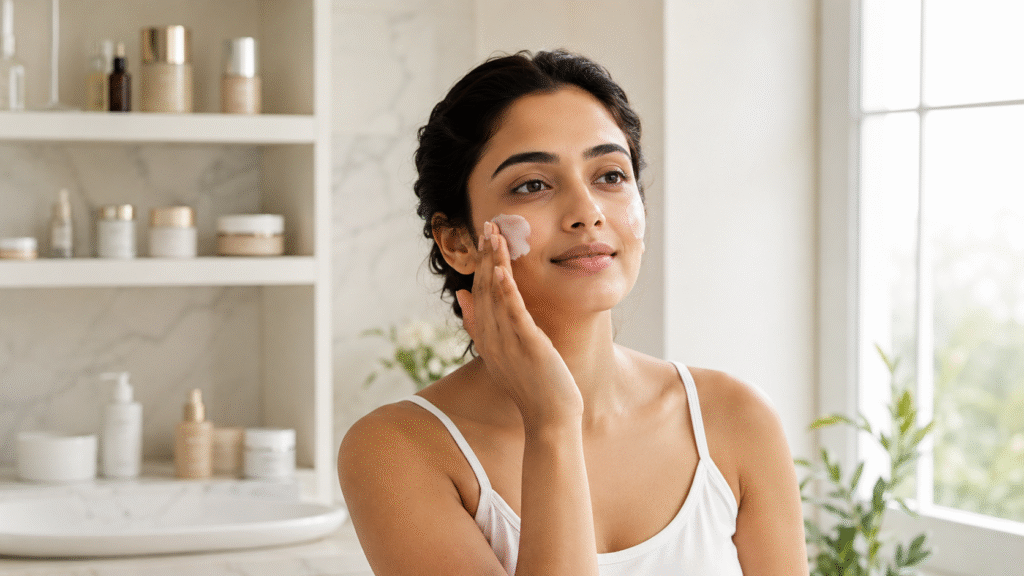
No active routine is complete without sunscreen. Whether you are using vitamin C, retinol, AHA, BHA, peels or pigmentation treatments, sunscreen plays a major role in protecting results.
Without sunscreen, pigmentation can worsen, acne marks can become darker and skin sensitivity can increase.
A broad-spectrum sunscreen should be used during the day and reapplied when needed, especially if you are outdoors, sweating or exposed to strong sunlight.
Many people invest in expensive serums but skip sunscreen. This can reduce the effectiveness of the entire skincare routine.
If you are treating pigmentation, acne marks or aging signs, sunscreen is not optional.
When Should You See a Dermatologist?
You should see a dermatologist if your skin burns with most products, pigmentation is worsening, acne is increasing, your skin is peeling constantly, or you are confused about which active to use.
You should also consult a dermatologist before using strong actives if you have sensitive skin, rosacea, eczema, active acne, melasma, pregnancy-related skincare concerns or a history of post-inflammatory pigmentation.
A dermatologist can help design a routine based on your skin type, concern, tolerance and treatment goals. They can also guide you on when to stop actives before procedures like chemical peels, lasers or facials.
Professional guidance is especially important for Indian skin types because irritation can sometimes lead to pigmentation.

Conclusion
Retinol, vitamin C, AHA, BHA and chemical peels can be helpful when used correctly, but they should not be mixed randomly. More products do not always mean better skin.
Using too many actives together can damage the skin barrier, cause irritation and sometimes make acne or pigmentation worse. The safest approach is to understand your skin type, introduce actives slowly, avoid harsh combinations and use sunscreen regularly.
A simple, consistent and dermatologist-guided skincare routine can give better long-term results than following every skincare trend.